Hanna pudotti yli 60kg

Päivitetty: 14.8.
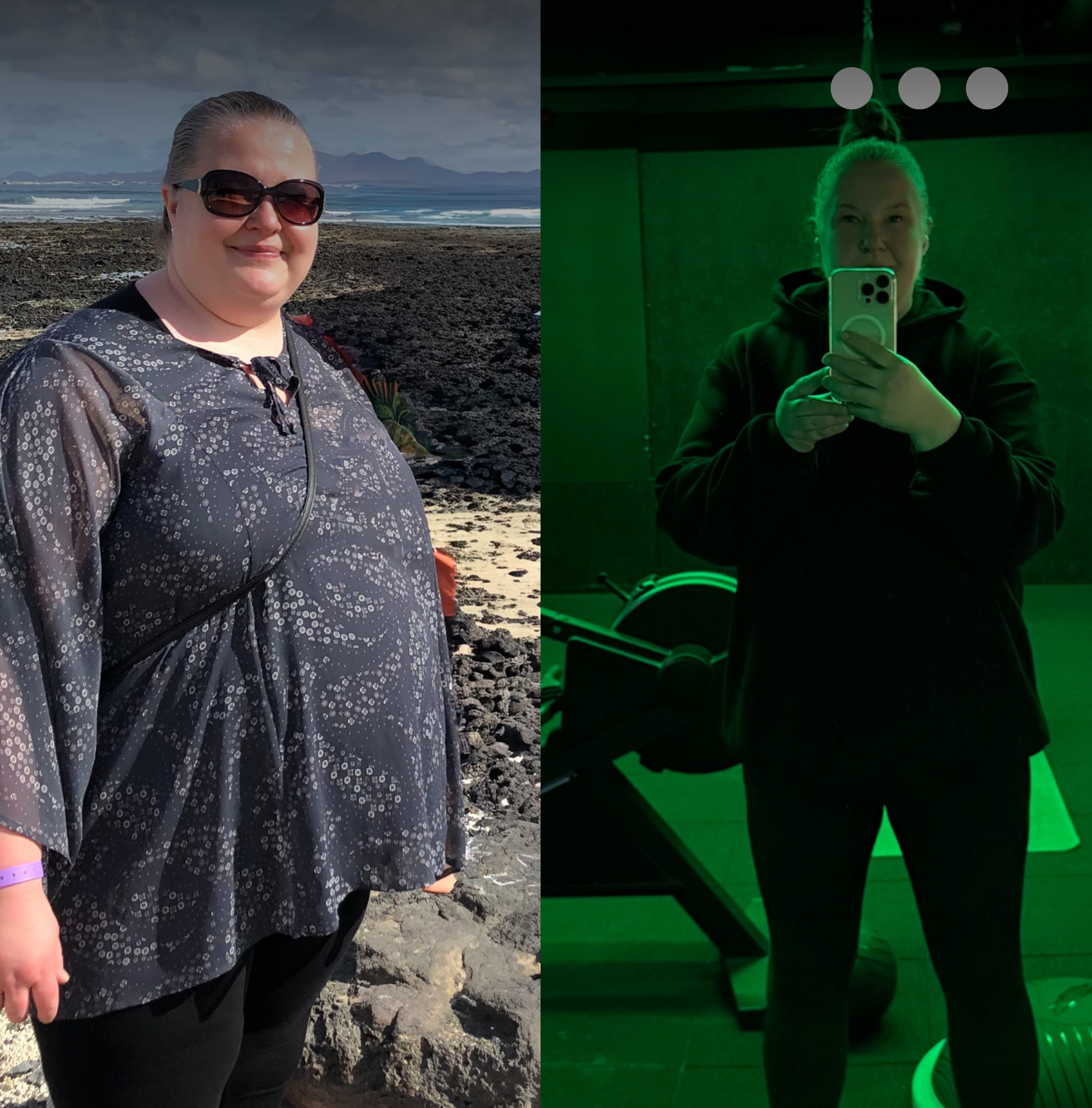
Olin vuosina 2011-2012 onnistuneesti pudottanut PT valmennuksessa -35kg ja päässyt tavoite painooni, kunnes syksyllä 2012 oikea polvilumpio meni sijoiltaan sen viimeisen kerran ja liikkuminen ja työnteko loppui seinään ja käytännössä makasin vain kotona, kunnes keväällä 2013 pääsin ensimmäiseen isoon polvileikkaukseen. Vuosien 2013-2015 aikana molemmat polvet leikattiin yhteensä 4krt ja elämä oli yhtä kuntoutusta ja takapakkia. Paino oli lähtenyt pikku hiljaa hiipimään takaisin ja olin lihonut pudotetut 35 kiloa takaisin + 40 lisäkiloa ja havahduin vuonna 2024 siihen, että paino on päässyt kipuamaan melkein 152 kiloon ja oli vihdoinkin myönnettävä itselleni, että asialle on tehtävä jotain tai loppuelämä ei näytä hyvältä.
Tiesin heti, että en halua lihavuusleikkausta tai laihdutuslääkkeitä vaan haluan palkata PT:n avuksi koska se toimi edelliselläkin kerralla joten se toimisi myös nytkin, jos vain löydän oikean valmentajan! Törmäsin elokuussa 2024 Juhaan Instagramissa, kun hän oli aloittelemassa uutta valmennusalustan käyttöä ja teki asiasta videoita Marjaanan kanssa. Juha jäi videoista mieleen hyvin positiivisena ja asiansa osaavana ihmisenä. Mietin 2vkoa, että ottaisinko häneen yhteyttä ja rupeanko tähän nyt sitten sen viimeisen kerran. Sitten päätin, että nyt tai ei koskaan ja täytin hakemuksen ja Juha vastasi nopeasti ja sovimme soittoajan heti seuraavalle päivälle ja tämä puhelu kesti yli tunnin ja homma klikkasi heti ja asia oli sitten sillä selvä! Kävimme läpi lähtökohdat, kaikki vammat ja esteet mitä polvien takia on sekä alusta asti oli selvää, että haluan lähivalmennuksen, eli treenaamme viikottain yhdessä joten päädyimme hybridimalliin jossa ruokavaliot ja treenohjelmat on apissa sekä viestiminen tapahtuu apin kautta ja tapaamme melkein joka viikko 1-2krt salilla ja treenaamme yhdessä.
Aloitimme valmennuksen 1.9.24 eli melkein 2 vuotta sitten ja tähän mennessä pudotettuja kiloja on -60.6kg! Matka ei ole ollut helppo, haasteita on ollut polvien takia, kun esim. toinen leikattu polvi ei taivu kokonaan ja siinä on myös uusi vamma vuodelta 2023 joka pitää huomioida ja isoimpana haasteena tällä hetkellä on molemmissa polvissa oleva nivelrikko. Heti alkuun syyskuussa 2024 oikeassa polvessa puhkesi Bakerinkysta ja siitä sitten saatiin heti ensimmäinen este tielle josta selvittiin tiiviillä yhteydenpidolla ja könkkäsin sitten keppien kanssa yhteistapaamisiin, eli yksin en jäänyt missään vaiheessa uuden vamman tullessa vaan Juhan kanssa pidettiin yhteyttä ja noudatettiin siitä huolimatta ruokavaliota ja pidettiin mielialaa korkealla vammasta huolimatta.
Polvi sitten toipui siitä pikku hiljaa ja päästiin aloittelemaan treenaamista paremmin. Aloitimme 2 treenillä viikossa koska en käytännössä ja suoraansanottuna ollut liikkunut vuosiin yhtään joten peruskunto oli surkea. Siitä sitten kunnon kohentuessa ja kilojen karistessa rupesimme pikku hiljaa lisämään treeni määriä kolmeen, neljään ja nyt viimeisen reilun vuoden olen treenannut viisi kertaa viikossa. Välillä toki vähemmänkin kroppaa kuunnellen, jos se tarvitsee enemmän lepoa. Alussa emme esim. pystyneet jalkoja treenaamaan juuri ollenkaan polvien takia ja esim. jalkaprässiin ei ollut mitään asiaa. Erilaisten testailujen kautta opimme mikä toimii ja mikä ei ja löysimme sopivat liikkeet ja pikku hiljaa se jalkaprässikin alkoi onnistua eli kaikki on mahdollista!
Paino lähti alussa aika vauhdikkaasti tippumaan alas, kun rupesin noudattamaan minulle räätälöityä henkilökohtaista ruokavaliota. Olen sopinut perheeni kanssa, että syön täysin ohjeiden mukaisesti ns. omia ruokiani ja he tekevät omat ruokansa - toki välillä teemme jotain samojakin. Halusin panostaa itseeni ja tähän valmennukseen täysillä joten siksi tämä ratkaisu on ollut itselleni se paras. Ruokavalion noudattaminen on ollut pääsääntöisesti helppoa koska syön pelkästään vain niitä ruokia mitä haluan enkä syö mitään mitä en halua tai mistä en pidä ja tämä on se ratkaiseva asia ollut miksi tämä on toiminut! Mistään ei ole tarvinnut luopua ja mikään ei ole kiellettyä vaan järkevä suhtautuminen ruokaan on se a ja o.
Toukokuussa 2025 saavutin -30kg ja sen myötä toin matkani julkiseksi koska halusin inspiroida muita samassa tilanteessa olevia uskomaan itseensä ja näkemään, että tämä on mahdollista tehdä myös tällä tavalla! Ei tämä matka pelkkää ruusuilla tanssimista ole ollut, minäkin väsyn, turhaudun ja ns. lipeän ja menetän uskoni prokkikseen eikä aina huvita treenata. Paino ei aina laske vaikka teet ns. kaiken oikein ja se jumitus saattaa kestää itselläni toistakin kuukautta (ja sit taas tipahtaa reilusri), niin tässä sitten hyvä valmentaja on kultaakin kalliimpi - että sulla on joku joka uskoo suhun ja sun tekemiseen ja jaksaa puskea sua eteenpäin ja tekee tarvittaessa muutoksia ohjelmaan.
Syyskuussa 2025, kun valmennusta oli vuosi täynnä olin pudottanut -41kg ja siitä sitten n. 4kk eteenpäin eli helmikuussa 2025 saavutin -50kg pyykin ja se tuntui uskomattomalta, että kaikesta huolimatta olin pudottanut noin jäätävän määrän kiloja!!
Helmikuussa 2026 vasemman käden taipeen hauislihas tulehtui ja sen paraneminen ja kuntouttaminen on ollut todella hidasta eikä vaiva ole vieläkään parantunut (elokuu 2026), joten olemme joutuneet muokkaamaan treenit täysin uusiksi ja teen vain niitä liikkeitä mitä pystyn. Tämä on todella turhauttavaa, kun voimaa, intoa ja halua olisi tehdä paljon enemmän, mutta vamma ei anna tehdä. Lisäksi toukokuussa 2026 oikean polven nivelrikko pahentui ja haittaa kävelyä, joten sekin taas vaikuttaa jalkatreeneihin mitä pystyy tekemään ja mitä ei ja joudumme vaihtamaan aerobisetkin toiseen, mutta menemme täysin polven ja käden ehdoilla tällä hetkellä ja olen tyytyväinen, että pystyn edelleen sentään edes jotain treenaamaan sen 5krt/vko, koska päälle olisi kova paikka olla kokonaan treenaamatta, kun tästä on tullut uusi elämäntapa.
Painonpudotus tahti on luonnollisesti hidastunut, kun pudotettavaa on enää vähemmän ja vaikka vammat ovat nyt vaivanneet enemmän reilun 6kk ajan, niin siitä huolimatta saavutin heinäkuussa 2026 -60.6kg rajapyykin! Se on ihan jäätävä määrä pudotettuja kiloja!! Ei sitä meinaa tajuta sitten millään ja oma mieli temppuilee edelleen todella paljon - minäkuva on välillä vääristynyt ja peilistä näkee välillä edelleen vain pelkästään sen lähes 152 kiloisen Hannan. Tätä minäkuva asiaa on myös työstetty pitkin matkaa paljon sekä muita pinnalle nousseita asioita, eli valmennuksessa keskitytään ihmiseen kokonaisvaltaisesti.
Matkaa ns. normaalipainoon on vielä reilusti joten tämä matka Juhan kanssa tulee jatkumaan kaikkinensa vielä pitkään ja sen jälkeen sitten alkaakin se vaikein osuus eli pysyminen normaalipainossa, mutta uskon täysin, että siinä onnistun koska kyllähän tämä matka on jo nyt ollut suuri elämäntapamuutos kaikkineen tähän asti enkä voisi enää kuvitella eläväni entisellä tavalla ja en todellakaan enää tee tätä kolmatta kertaa! 😂
Olen saanut tältä valmennukselta paljon esim. terveyteni takaisin - kärsin aiemmin esim. järkyttävästä rasvamaksasta joka on nyt täysin parantunut ja arvot ovat normaalit, olen pirteämpi ja elämäniloisempi kuin ennen ja jaksan tehdä asioita huomattavasti paremmin vammoista huolimatta. Olen taas löytänyt rakkauden salilla treenaamiseen sekä saanut uusia tuttavuuksia salilta sekä olen myös saanut uuden ystävän Juhasta jonka kanssa pystymme puhumaan kaikesta, joten kyllä - tämä valmennus käytännössä pelasti elämäni siltä syöksykierteestä johon olin vajoamassa ja syömässä itseäni sekä antoi lisäaikaa perheeni ja pienen poikani kanssa. 🫶🏻
Usko itseesi - säkin onnistut, kun annat aikaa muutokselle!
Liikunnallisin terveisin,
Hanna
Kommentit